
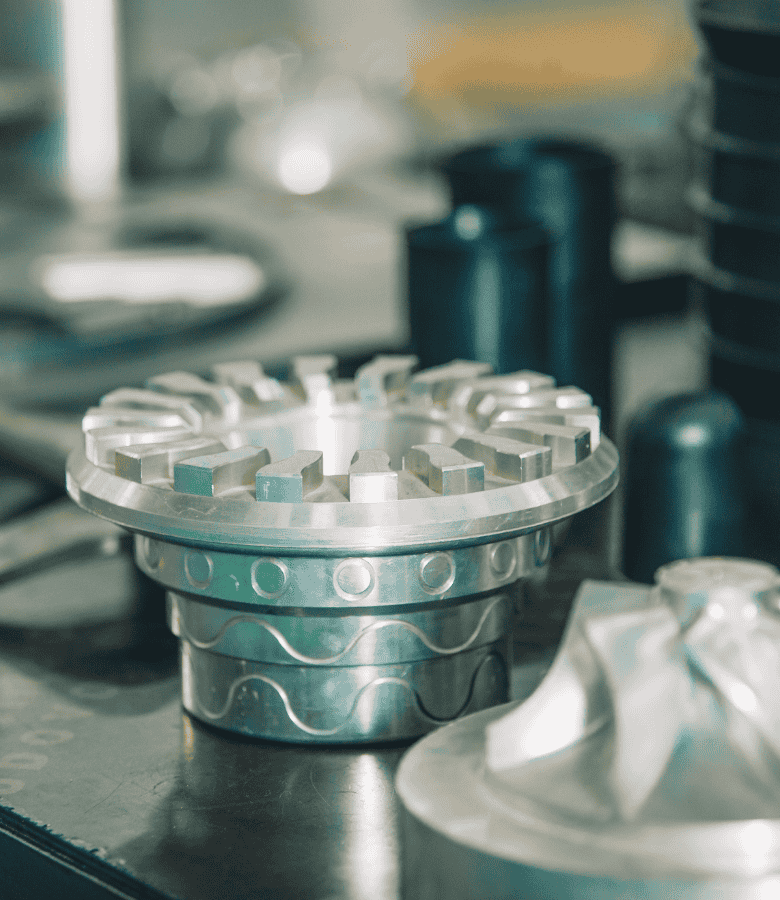
In the quest for optimal performance, every component of a motorcycle engine plays a crucial role. Among these, the piston stands out as a key player in driving efficiency and power. Forged pistons, in particular, have gained significant attention for their ability to enhance engine performance. This article explores the advantages of forged pistons and their impact on motorcycle engine efficiency.
1. Enhanced Strength and Durability
Forged pistons are manufactured through a process that involves shaping metal at high temperatures and applying intense pressure. This results in a denser and more uniform grain structure, making forged pistons significantly stronger and more durable than their cast counterparts. This increased strength allows them to withstand the extreme pressures and temperatures experienced in high-performance motorcycle engines, reducing the risk of deformation and failure.
2. Weight Reduction
One of the key benefits of forged pistons is their ability to be designed with optimized weight while maintaining strength. Lighter pistons contribute to improved engine efficiency by reducing the overall mass that the engine must move during operation. This weight reduction leads to quicker acceleration, better throttle response, and ultimately improved fuel efficiency. In racing and performance applications, every gram counts, and forged pistons help achieve that competitive edge.
3. Improved Heat Dissipation
Forged pistons typically exhibit better thermal conductivity compared to cast pistons. This improved heat dissipation helps maintain optimal operating temperatures within the engine, reducing the likelihood of overheating and ensuring consistent performance. Efficient heat management is critical for preserving engine longevity and performance, as excessive heat can lead to premature wear and damage.
4. Enhanced Compression Ratio
Forged pistons can be engineered to support higher compression ratios, which can significantly enhance engine efficiency. A higher compression ratio allows for more power to be extracted from the combustion process, translating into greater horsepower and torque. This increase in efficiency is particularly beneficial for performance motorcycles, where maximizing power output is essential.
5. Reduced Friction and Wear
The surface finish and design of forged pistons can be optimized to minimize friction against the cylinder walls. Reduced friction leads to lower wear rates, improving the overall lifespan of both the pistons and the engine. With less friction, more energy from combustion is converted into motion rather than being lost to heat, further enhancing engine efficiency.