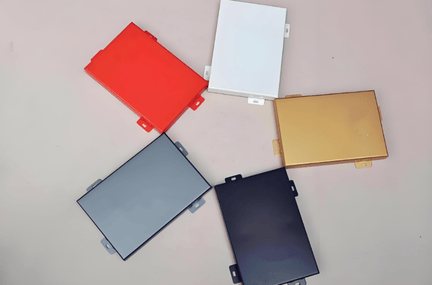
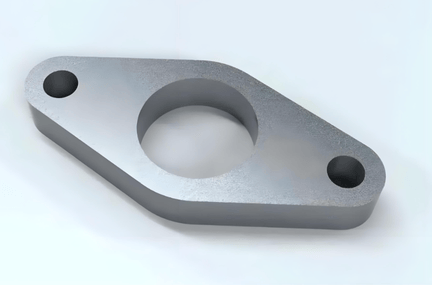
At YS Forge, we recognize that the final touch can significantly elevate a product. That’s why we offer specialized surface finishing services that go beyond aesthetics to enhance both durability and performance. Our advanced techniques, specifically tailored for aluminum alloy forgings and CNC machined parts, ensure that your components not only meet but surpass the rigorous industry standards.
High-Quality Services:
Our dedication to excellence is evident in every surface finish we provide. Employing industry-leading techniques and a team of dedicated experts, we focus on delivering the highest quality finishes. Whether you aim to enhance product lifespan, improve wear resistance, or achieve a flawless cosmetic appearance, YS Forge covers every detail to your utmost satisfaction.
What You Can Get From Us
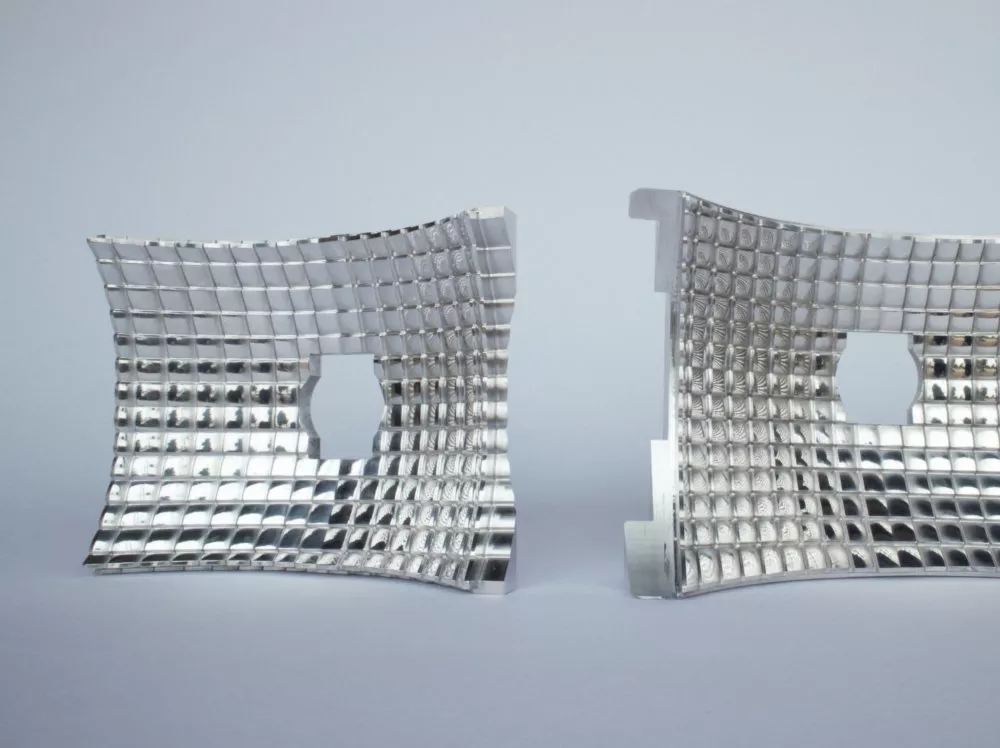
High Gloss Polishing
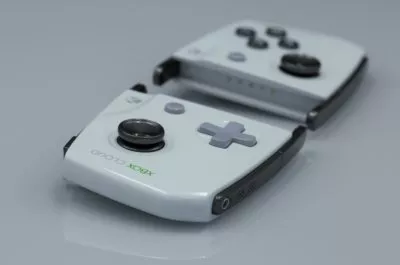
Sanding & polishing is one of the most common finish for prototyping. Sanding is very basic process to remove cutting marks or the printing marks, in order to get smooth surface. Get ready for further finish such as sandblasted, painted, chromed… Started from rough sand paper, when you reach 2000 sand paper the part surface are smooth enough for high gloss polishing to obtain shiny surface or mirror look, transparent such as light guide, lens.
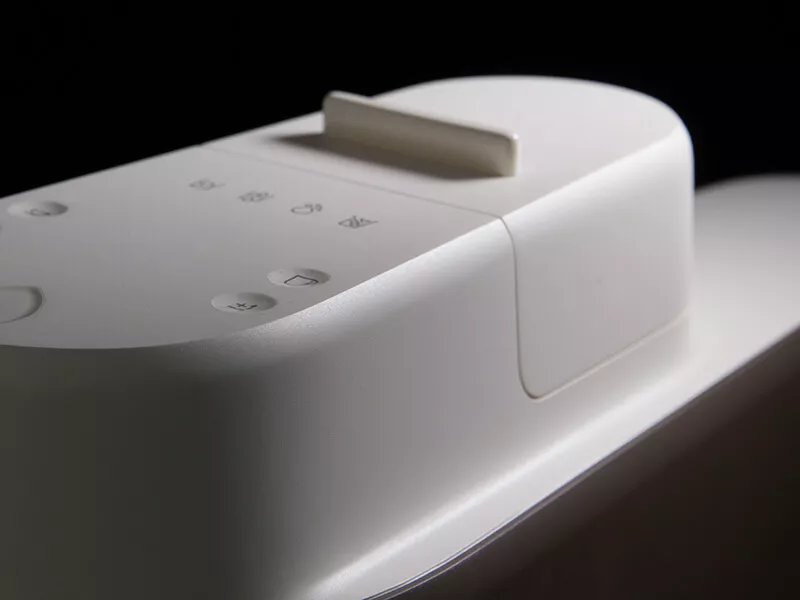
Painting
Painting is a very flexible way to create a different surface appearance
We can achieve:
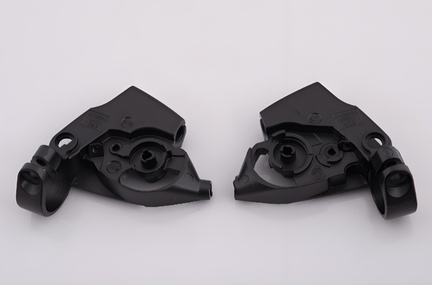
Matt
Satin
High Gloss
Texture (spanght & Heavy)
Soft Touch ( Rubber spanke)
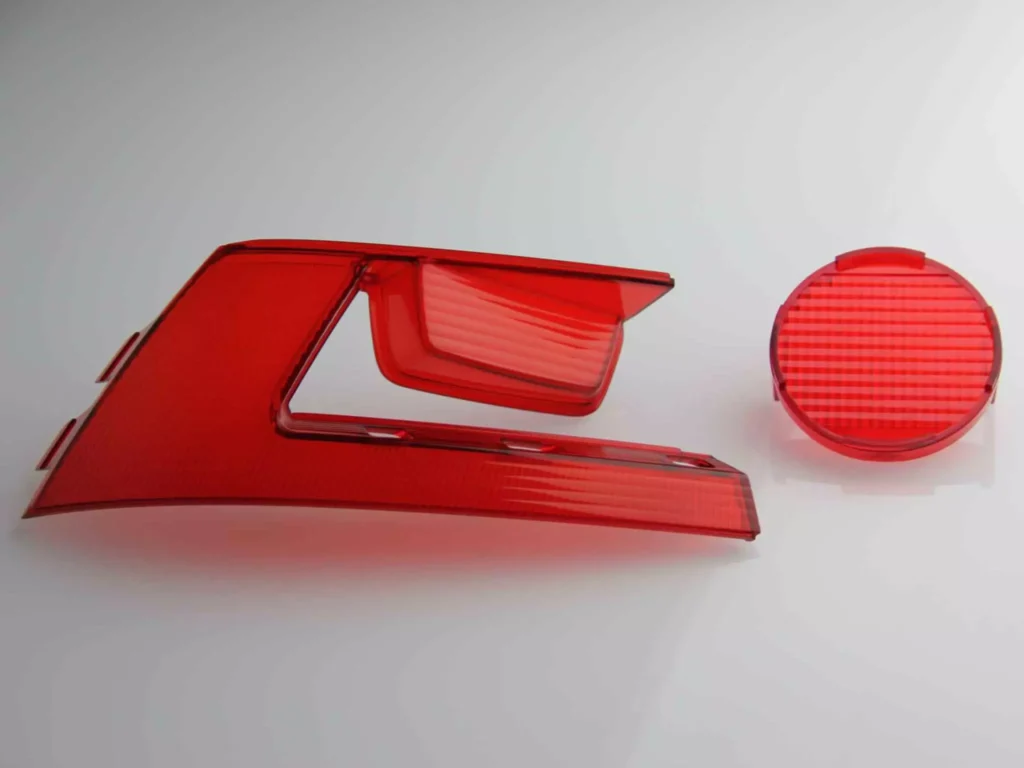
Tinted
Tinted is another option to color plastic prototypes besides painting. It is a good solution for turn signal, tail lamp.
We can achieve:
Matt
Satin
High Gloss
Texture (spanght & Heavy)
Soft Touch ( Rubber spanke)
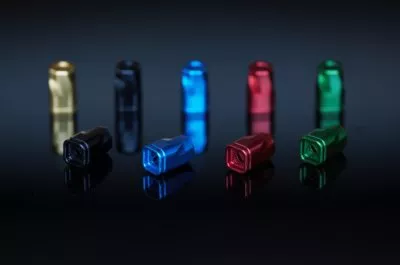
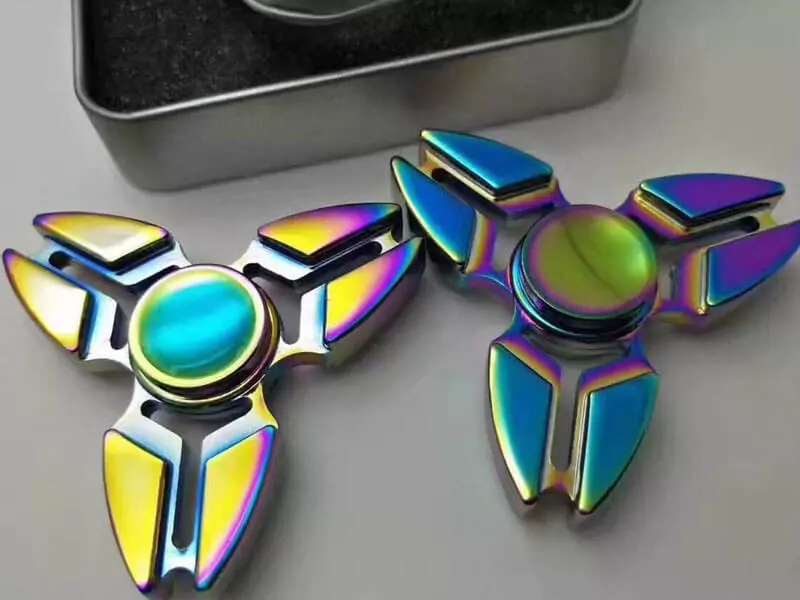
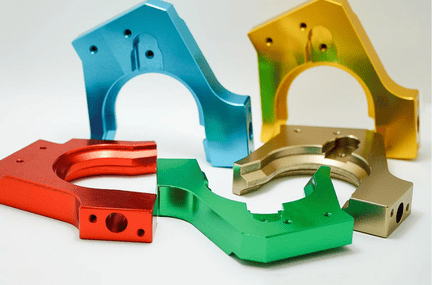
Anodized
The most popular way to create a decent surface for electronic products. Apple almost uses anodized for all their products.
We are offering:
Anodized Type 1
Anodized Type 2
Anodized Type 3
Chemical Film/Alodine
Chromed & Metallizing
This type of finish is only created protect layer, but also a super look.
Chromed
Metalspanzing
Chrome Sputtering
Color Plating
Zinc Plating
Tinning
Logo & Symbol
There are various ways to create a logo, symbol, and text on your prototypes or production parts.
We can achieve:
Silk-Screen
Pad Printing
Rub on
Laser Engraving
More
We are also providing:
Powder Coat
Eletrophoresis
Sandblasted & Bead blasted
Heat treatment
Blacking
Water Transfer
Our Finishing Techniques
Anodizing
Anodizing is an electrochemical process that forms a thick and hard layer of aluminum oxide on the surface of aluminum alloys. This layer not only increases corrosion resistance and wear resistance but also enables aesthetic enhancements through dyeing processes.
Electrophoretic Coating
Electrophoretic coating employs an electrophoretic process to deposit paint uniformly across the aluminum alloy surface, resulting in a coating with excellent adhesion. This coating provides superior corrosion resistance and a high-quality decorative look.
Powder Coating
Powder coating involves the electrostatic spraying of powder paint onto the aluminum alloy surface, which is then cured at high temperatures to form a solid coating. This coating offers excellent resistance to weathering and chemicals, along with a diverse range of colors and surface effects.
Sandblasting
Sandblasting cleans the aluminum alloy surface by blasting it with high-speed sand grains. This process removes oxide layers and impurities, increases surface roughness, and improves the adhesion of subsequent coatings.
Plating
Plating is an electrochemical process that deposits a metal layer onto a conductive surface to enhance corrosion resistance, improve appearance, and increase durability. Common plating materials include zinc, nickel, and chromium, widely used across automotive, electronics, and aerospace industries.
Hard Anodizing
Hard anodizing is a special type of anodizing that produces a thicker and harder aluminum oxide layer, providing higher wear and corrosion resistance suitable for applications requiring heightened durability.
Passivation
Passivation involves the formation of a thin, inert film on the aluminum alloy surface to enhance its corrosion resistance. This can be achieved through natural oxidation or accelerated chemical methods, significantly improving the product’s durability and maintenance cycle.