Complete Analysis of Forging Process: The Perfect Evolution from Ancient Craft to Modern Manufacturing

ysforge2
Forging, as one of humanity’s oldest metal processing crafts, has evolved over thousands of years from simple hammer-anvil operations to highly engineered modern manufacturing technology. Today, let’s delve deep into this fascinating process together.

What is Forging?

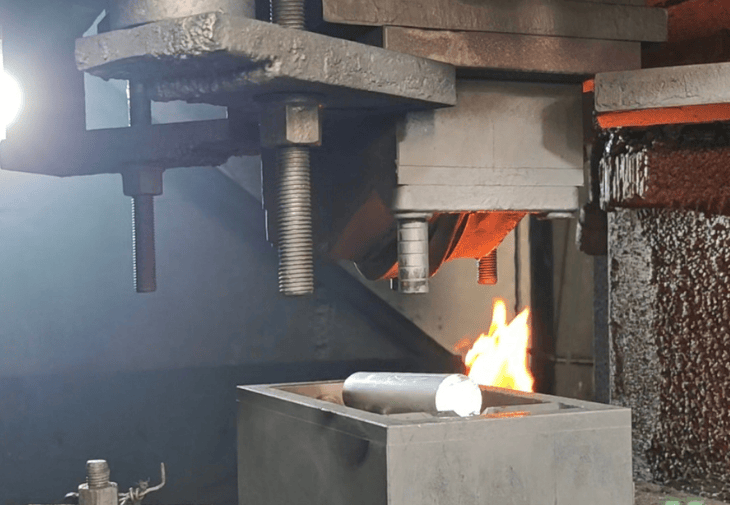
Forging is a metalworking process that applies pressure through dies and tools to obtain useful workpiece shapes in solid state. Unlike traditional machining methods, forging improves metal’s internal structure through plastic deformation, thereby achieving superior mechanical properties.
Modern forging utilizes equipment powered by compressed air, electricity, hydraulics, or steam, capable of producing various products from simple wrenches to complex aircraft engine components.

Three Major Temperature Classifications of Forging

🔥 Hot Forging: The Most Common Method

Hot forging is performed above the metal’s recrystallization temperature and is the most widely used forging process. Its greatest advantage is avoiding work hardening, allowing metal to flow and form more easily.
Temperature Range Reference:
  • Aluminum alloys: 400-550°C
  • Carbon steel: 850-1150°C
  • Titanium alloys: 700-950°C

❄️ Cold Forging: The High-Precision Choice

Conducted at or near room temperature, suitable for soft metals like aluminum, offering advantages of good surface quality and high dimensional accuracy, but requiring more powerful equipment support.

🌡️ Warm Forging: The Balanced Approach

Situated between hot and cold forging, combining the advantages of both, ensuring quality while reducing energy consumption and equipment requirements.

Detailed Explanation of Main Forging Processes

Open-Die Forging: Maximum Flexibility
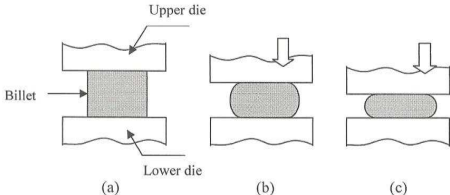
Uses simple flat dies allowing material to deform freely in the stress direction, suitable for simple shapes or as pre-forming operations.
                             

Die Forging: Solution for Complex Shapes
Forms through upper and lower die cavities, allowing some metal to escape as flash, utilizing flash pressure to ensure complete cavity filling.
                                             

Closed-Die Forging: Waste-Free Precision Forming

Material is fully constrained within die cavities, producing no flash, achieving highest material utilization, but requiring extremely high die design and material volume control.

Forging Equipment: Hammer vs. Press Comparison

Forging Hammer: Tradition Meets Efficiency
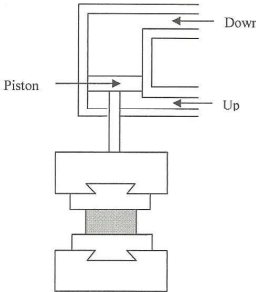
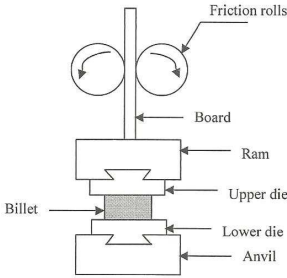
Divided into gravity drop hammers and power hammers, forming through impact force, featuring fast speed and low cost, but requiring high operator skill.
                                                         

Press: Representative of Precision and Control
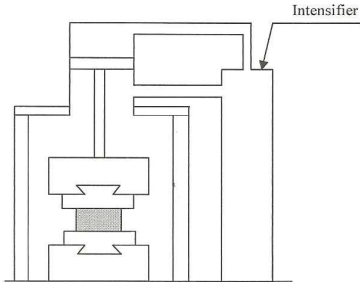
Forms through continuous extrusionin single operation, divided into mechanical and hydraulic presses. Hydraulic presses offer full-stroke load controladvantage, suitable for high-precision parts.
                                                   

Common Forging Defects and Solutions

Underfilling: The Most Headache-Inducing Problem
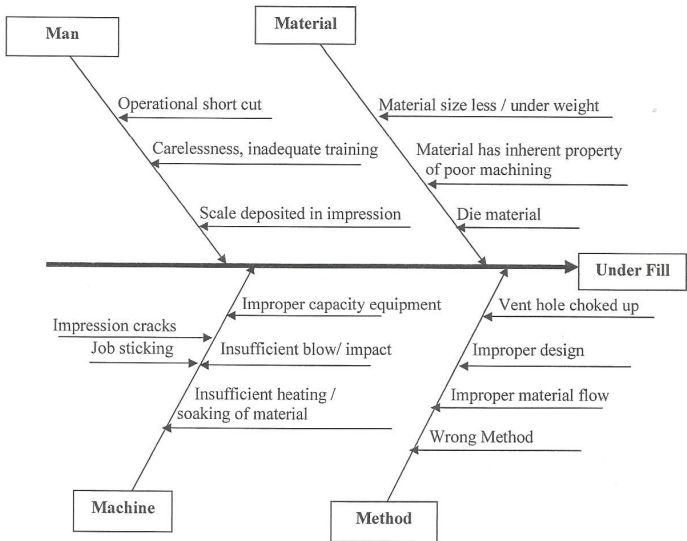
Incomplete cavity filling is one of the most common defects. Fishbone diagram analysis shows main causes include die design, insufficient material, and poor heating.

Mismatch: Alignment is Key

Product deviation caused by misaligned upper and lower dies, requiring precision die alignmentand error-proof design.

Other Important Defects

  • Surface cracks: Caused by low temperature or excessive processing
  • Cold shuts: Resulting from insufficient fillets or excessive friction
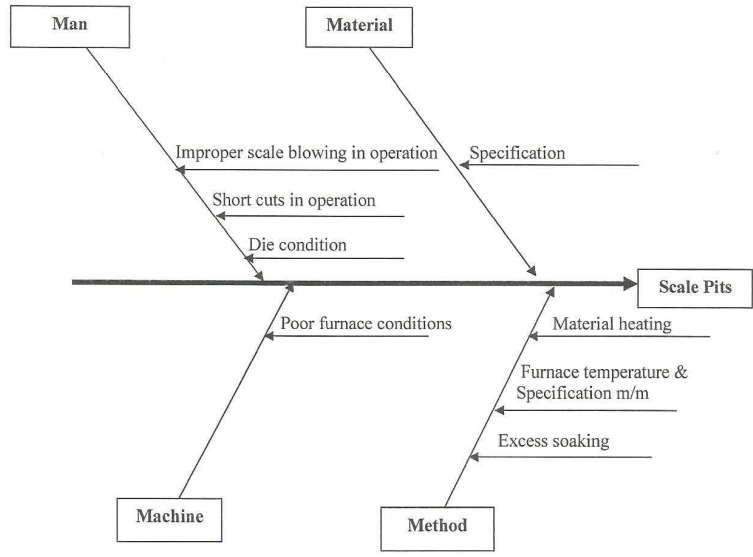
  • Scale pits: Caused by improper raw material cleaning

Advantages and Application Fields of Forging

Why Choose Forging?

  1. Excellent mechanical properties: Enhanced strength through grain flow control
  2. High material utilization: Almost no waste generation
  3. High production efficiency: Suitable for mass production
  4. Strong reliability: Few internal defects, long service life

Main Application Industries

  • Automotive manufacturing: Key components like connecting rods, crankshafts
  • Aerospace: Engine parts, landing gears
  • Industrial equipment: Bearings, gears, tools
  • Energy equipment: Turbine blades, pipeline fittings
Conclusion: Future Prospects of Forging

As an important metal processing craft, forging plays an increasingly vital role in modern manufacturing pursuing lightweight and high strength. With the development of digitalization and intelligentizationtechnologies, forging processes are moving towards higher precision and lower energy consumption.
For manufacturing enterprises, mastering the essence of forging processes and implementing strict quality controlare essential to remain invincible in fierce market competition. Remember: Good forgings aren’t achieved through inspection alone, but by getting the process design right from the start.

Hey there, I'm John Zhu

From YS Forge, I’m a Forging and CNC Machining Expert with over 15 years of experience in this field. Based on your needs, we provide one-stop products and solutions. Choose us, and we will deliver results that exceed your expectations.

Best Regards, John, Technical Manager