
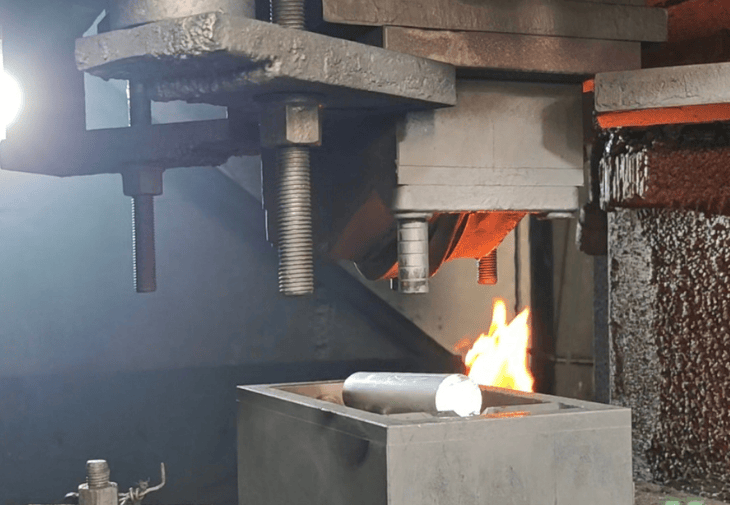
What is Forging?
Three Major Temperature Classifications of Forging
🔥 Hot Forging: The Most Common Method
Aluminum alloys: 400-550°C Carbon steel: 850-1150°C Titanium alloys: 700-950°C
❄️ Cold Forging: The High-Precision Choice
🌡️ Warm Forging: The Balanced Approach
Detailed Explanation of Main Forging Processes
Open-Die Forging: Maximum Flexibility
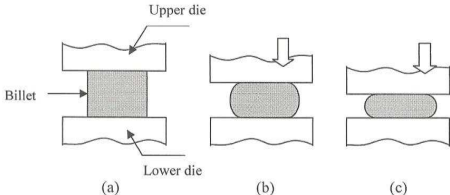
Die Forging: Solution for Complex Shapes
Closed-Die Forging: Waste-Free Precision Forming
Forging Equipment: Hammer vs. Press Comparison
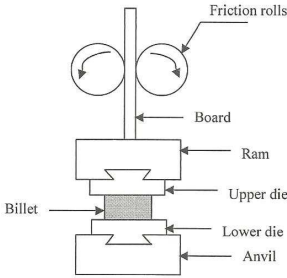
Forging Hammer: Tradition Meets Efficiency
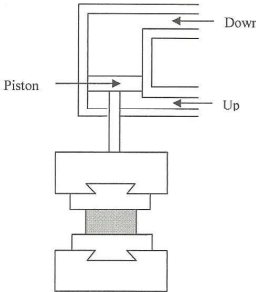
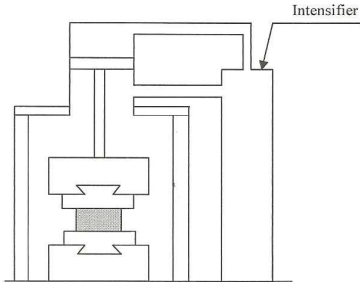
Press: Representative of Precision and Control
Common Forging Defects and Solutions
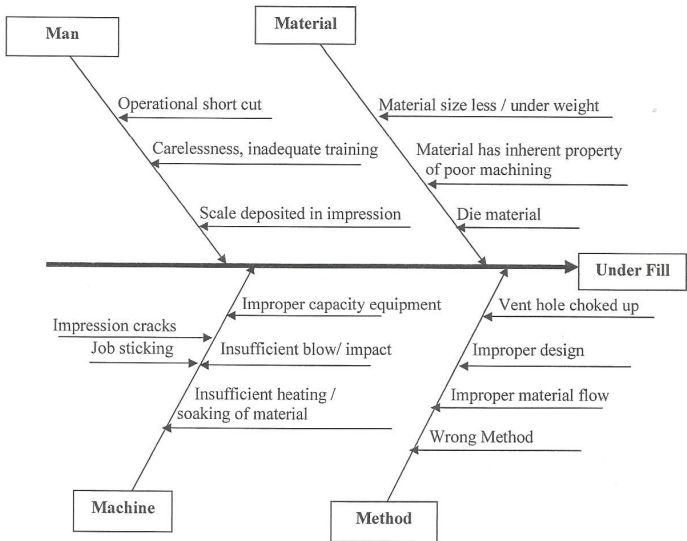
Underfilling: The Most Headache-Inducing Problem
Mismatch: Alignment is Key
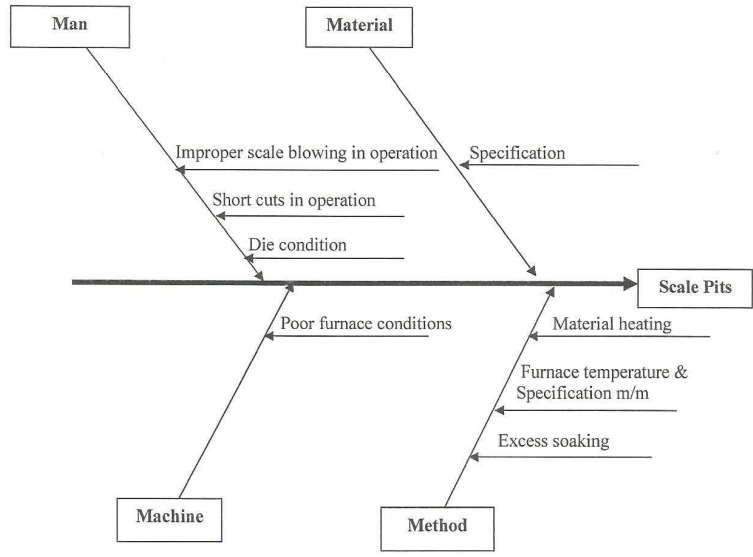
Other Important Defects
Surface cracks: Caused by low temperature or excessive processing Cold shuts: Resulting from insufficient fillets or excessive friction Scale pits: Caused by improper raw material cleaning
Advantages and Application Fields of Forging
Why Choose Forging?
Excellent mechanical properties: Enhanced strength through grain flow control High material utilization: Almost no waste generation High production efficiency: Suitable for mass production Strong reliability: Few internal defects, long service life
Main Application Industries
Automotive manufacturing: Key components like connecting rods, crankshafts Aerospace: Engine parts, landing gears Industrial equipment: Bearings, gears, tools Energy equipment: Turbine blades, pipeline fittings