
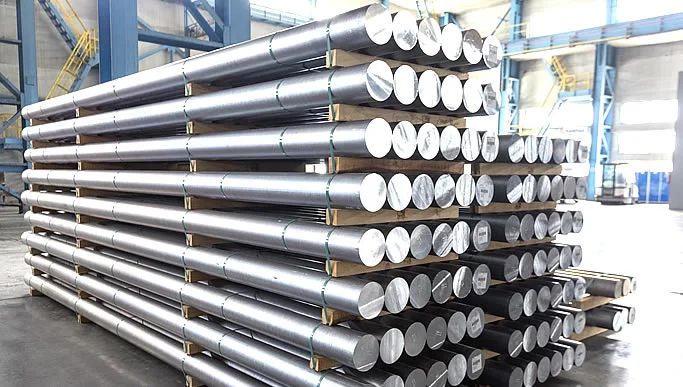
Forging is a critical manufacturing process that transforms metal into exceptionally strong and durable parts used in various industries. The choice of material in the forging process plays a pivotal role in determining the performance and longevity of the finished product. In this blog, we will explore the various materials commonly used in forging, their properties, and the considerations for selecting the right material for specific applications.
Introduction to Material Selection in Forging
The selection of the right forging material is influenced by the intended use of the product, the environment in which it will operate, and the desired properties such as strength, ductility, and corrosion resistance. Each metal brings its own set of characteristics to the table, making it suitable for particular applications.
Common Materials Used in Forging
1. Carbon Steel
One of the most popular materials in forging, carbon steel offers a good balance of durability, strength, and cost-effectiveness. It is frequently used in the automotive and construction industries for parts that require high strength and wear resistance. Carbon steel can be classified into low, medium, and high carbon steels, each providing varying degrees of hardness and ductility.
2. Alloy Steel
Alloy steel is carbon steel that has been mixed with other alloying elements such as chromium, nickel, and molybdenum, which enhance its mechanical properties. This type of steel is known for its toughness, high strength, and ability to resist wear and fatigue. It is ideal for automotive components, power generation equipment, and machinery parts.
3. Stainless Steel
Stainless steel is renowned for its corrosion resistance, making it a preferred choice for medical devices, food processing equipment, and marine applications. The addition of chromium and nickel provides a passive layer that protects the metal from environmental factors. Stainless steel forgings are highly durable and maintain their integrity in harsh conditions.
4. Aluminum
Aluminum is valued for its lightweight and corrosion resistance, making it suitable for applications where weight is a critical factor, such as in the aerospace and transportation sectors. Forged aluminum parts are strong and offer excellent thermal and electrical conductivity.
5. Titanium
Titanium boasts the highest strength-to-weight ratio among metals, coupled with outstanding corrosion resistance and the ability to withstand extreme temperatures. These properties make titanium ideal for aerospace, military, and biomedical applications. Despite its advantages, titanium is more expensive and challenging to forge than other metals.
6. Copper
Copper is primarily chosen for its excellent conductivity of heat and electricity, making it ideal for electrical components, heat exchangers, and plumbing fixtures. Copper forgings are also appreciated for their antimicrobial properties and aesthetic appeal.
Considerations for Selecting Forging Materials
- Mechanical Properties: Strength, hardness, ductility, and toughness are critical factors based on the load and stress the part will endure.
- Corrosion Resistance: This is vital for parts exposed to harsh environments, such as marine or chemical processing applications.
- Heat Resistance: Some applications require materials that can withstand high temperatures without losing strength.
- Machinability and Weldability: These factors affect the ease of post-forging processing and assembly.
- Cost and Availability: The material cost and availability can significantly influence the choice, especially for high-volume production.
Conclusion
Selecting the right material for forging is essential to ensure that the finished product meets the required specifications and performs well in its intended application. By understanding the properties of different metals, manufacturers can make informed decisions that balance performance, cost, and manufacturability. This strategic choice not only affects the quality of the forged parts but also their success in practical applications, driving the advancement of industries that rely heavily on forged components.