
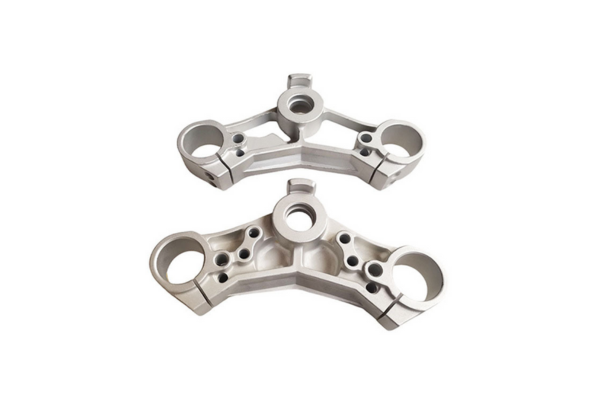
Motorcycles, known for their agility and speed, require components that can withstand high stresses while maintaining lightweight for optimal performance. Forged aluminum alloy components stand out as an ideal choice for enhancing motorcycle design and functionality. This blog delves into the specific advantages of using forged aluminum alloy in motorcycle components, highlighting how this material contributes to superior performance and durability.
Superior Strength and Durability
Forged aluminum alloys are renowned for their exceptional strength-to-weight ratio, a critical factor in motorcycle engineering. The forging process aligns the metal grains with the shape of the part, which significantly enhances the strength and fatigue resistance of the component. This means that forged parts are less likely to succumb to the stresses of everyday riding and extreme conditions, making them ideal for everything from casual road bikes to high-performance racing motorcycles.
Lightweight for Enhanced Performance
Weight reduction is paramount in the design of high-performance vehicles. Forged aluminum is lighter than many other metals commonly used in motorcycle parts, such as steel. The reduced weight of aluminum components ensures that motorcycles have faster acceleration, better braking, and more responsive handling. Lighter motorcycles also benefit from improved fuel efficiency, which is increasingly important in today’s eco-conscious market.
Improved Safety and Reliability
The reliability of motorcycle components directly influences the safety of the rider. Forged aluminum parts offer enhanced reliability due to their homogeneous microstructure that is free of defects like pores or cracks that can occur in casting processes. This homogeneity ensures that each part behaves predictably under load, which is crucial for critical components such as wheels, frames, and suspension systems.
Heat Dissipation Properties
Motorcycles generate a significant amount of heat, especially during high-speed rides or in racing scenarios. Aluminum inherently has excellent thermal conductivity, which helps in dissipating heat quickly from key components like brake calipers and engine parts. This characteristic prevents overheating, maintains performance, and extends the lifespan of both the components and the motorcycle itself.
Aesthetic and Customization Flexibility
Aside from functional benefits, forged aluminum alloy also offers aesthetic flexibility. The material can be finished in various ways — polished, anodized, or painted — to enhance the visual appeal of the motorcycle. Forging allows for precise and complex shapes that can fit specific design visions, enabling manufacturers and custom builders to differentiate their models in the competitive market.
Cost-Effective Manufacturing
While the initial cost of setting up forging processes for aluminum can be high, the long-term benefits justify the investment. Forged aluminum parts are generally more cost-effective in large production runs due to their durability and the less frequent need for replacements. Additionally, the efficiency of the forging process reduces waste, further cutting down costs over time.
Conclusion
Forged aluminum alloy components offer a multitude of advantages for motorcycles, combining strength, lightweight, and aesthetic appeal with enhanced heat dissipation, safety, and cost-effectiveness. As the motorcycle industry continues to evolve with a focus on performance, efficiency, and sustainability, the use of forged aluminum in critical components is likely to expand, offering manufacturers and riders alike a competitive edge in both design and functionality.