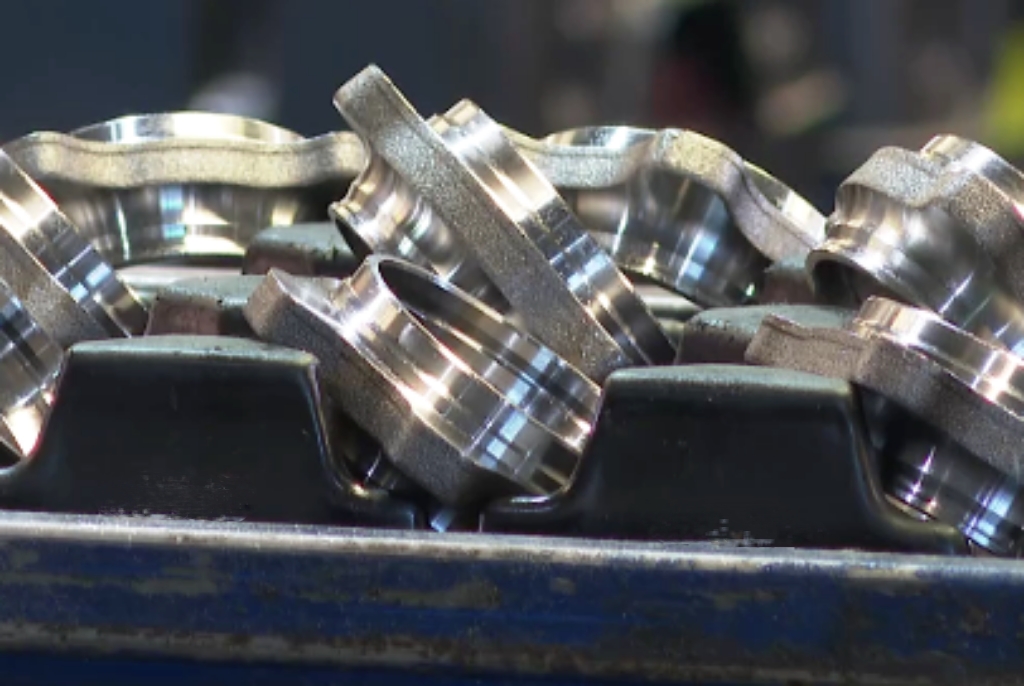
Forging is an age-old art that has stood the test of time in the realm of metalworking. It involves applying intense pressure to metal to reshape it and enhance its molecular structure, resulting in superior strength and durability.
The process of forging begins with heating the metal to a specific temperature, making it more malleable. Then, using forceful blows or presses, the metal is shaped into the desired form. This not only changes the physical appearance of the metal but also alters its internal structure. The grains within the metal are aligned in the direction of the applied force, creating a stronger and more uniform material.
One of the key advantages of forging is its ability to produce parts with exceptional strength. Forged components can withstand high stress and fatigue, making them ideal for applications in industries such as aerospace, automotive, and construction. In aerospace, for example, forged turbine blades and engine components must be able to endure extreme temperatures and forces. The strength and reliability provided by forging ensure the safety and performance of these critical parts.
Forging is a remarkable art that continues to play a vital role in modern manufacturing. Its ability to shape metals for superior strength makes it an indispensable process for producing high-quality and reliable components.